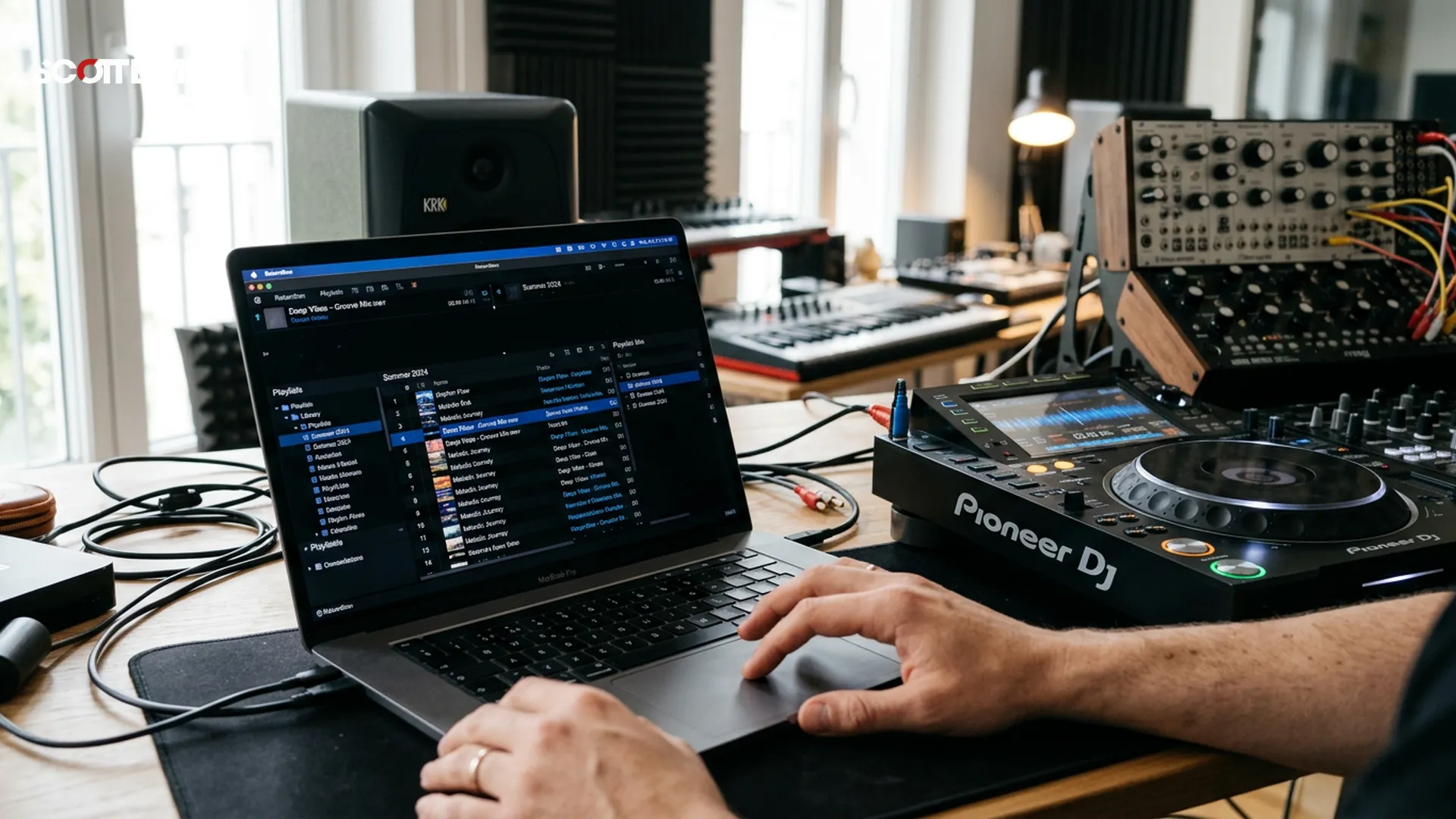
The landscape of digital DJing has shifted dramatically. Just a few years ago, having physical files on a hard drive or USB was your only option. Today, major DJ software platforms integrate directly with Apple Music, Tidal, Beatport, and SoundCloud.
With over 100 million tracks available instantly, it is tempting to abandon the digital download store entirely. If you are a hobbyist mixing in your bedroom, streaming is a fantastic, cost-effective way to practice. However, industry analysts and touring professionals agree that once you step into a paid gig environment, relying on the cloud is a dangerous game.
Here is exactly why serious DJs in 2026 still purchase their music, and why you should too.
The Venue Wi-Fi Gamble
Connectivity is better than ever, but nightclubs and festival stages are notorious dead zones. Thick concrete walls, underground basements, and thousands of smartphones competing for bandwidth create the perfect storm for signal failure.
Turning up to a gig without offline files means you are entirely at the mercy of the venue's router. If the network drops, your music stops. This is the ultimate nightmare scenario for any working professional. While some platforms offer offline locker storage, this requires extensive pre-planning and limits your ability to take spontaneous requests or pivot your set based on crowd energy.
The Scott Evans DJ Takeaway
The Disappearing Track Dilemma
Streaming platforms do not own the music they host. They license it from record labels and distributors. These licensing agreements are complex and constantly shifting.
A track you played flawlessly last weekend might be greyed out and unplayable today. Contracts expire, artists pull their catalogs in protest, and platforms secure exclusive rights that lock out competitors. When a track vanishes from a streaming service, you receive zero warning. As a DJ, your curated library is your most valuable asset. Renting your music means someone else holds the keys to your livelihood.
Restricted Software Features and DRM
Modern DJ software relies heavily on track pre-analysis. To utilize advanced features like real-time stem separation, beatgrids, and harmonic mixing, the software needs to scan the file.
When you stream a track, this analysis must happen on the fly. This often results in delayed loading times and inaccurate BPM or key readouts. Furthermore, Digital Rights Management (DRM) restrictions prevent you from natively recording your DJ sets when streaming tracks are loaded into the decks. If you want to record a promo mix to secure future bookings, you must own the files.
Tempo & Timing: tap tempo
Tap a manual tempo estimate, then use the same BPM for effects and phrases
If you are transitioning from streaming to a local library, you might need to manually verify the tempo of older, unquantized tracks. Tools like the one above help you lock in the exact tempo for your metadata.
The Business Model Trap
When you rely on a streaming service, you are locked into their corporate business plan. Subscription prices inevitably increase over time. Features are paywalled behind higher tiers, and entire services can shut down overnight.
Early DJ streaming platforms vanished without warning, leaving their subscribers with empty crates just hours before their gigs. DJs represent a tiny fraction of the overall streaming market. If a platform decides that DJ software integration is no longer profitable, they will cut access without hesitation. Purchasing your music guarantees that your collection survives regardless of corporate mergers or bankruptcies.
Professional Standards and Getting Booked
Owning your music is a hallmark of a professional DJ. It shows promoters that you are prepared, reliable, and invested in your craft.
When you secure gigs through the €49/yr Artist Roster on the Scott Evans DJ network, venues expect a flawless, uninterrupted performance. Venues and promoters utilizing our €99/yr Venue & Promoter tier need absolute reliability from the talent they book. They do not want to hear excuses about dropped Wi-Fi or missing streaming tracks. Building a rock-solid, offline music library is the first step to meeting these professional standards and elevating your career.
| Feature | Local Audio Files (Purchased) | Streaming Services |
|---|---|---|
| Internet Required | No | Yes (unless pre-cached) |
| Set Recording | Fully Supported | Blocked by DRM |
| Library Permanence | Permanent | Subject to licensing changes |
| Stem Separation | Instant and High Quality | Often restricted or delayed |
| Track Loading Speed | Instant | Dependent on bandwidth |
Harmonic Mixing Guide
Find compatible keys using the Camelot wheel
Building Your Permanent Collection
Transitioning from a streaming-only setup to a purchased library requires a strategic approach. Start by analyzing your streaming history to identify your most played tracks.
Purchase these core anthems first from trusted digital retailers like Bandcamp, Beatport, or Traxsource. Organize them into clearly labeled crates based on energy level and genre. Over time, you will build a curated, highly personalized arsenal of music that reflects your unique sonic identity.
As you expand your collection, ensure your metadata is pristine. Accurate key tags are essential for smooth harmonic mixing.
Taking the time to build and organize a local library is an investment in your peace of mind. It allows you to focus entirely on the crowd and your mix, knowing your music will never let you down.
Infographic: The DJ Music Ownership Pipeline
Frequently Asked Questions
No. Spotify completely removed its integration with all third-party DJ software several years ago. You cannot legally or technically mix Spotify tracks in standard DJ applications. You must use DJ-specific integrations like Beatport, Tidal, or Apple Music, or purchase your files.
Key Takeaways
- Core takeaway: Serious djs still buy works best with a repeatable prep-to-performance workflow.
- Prioritize one stable process before adding extra tools or plugins.
- Track outcomes after each set and keep only steps that improve reliability and results.
Step-by-Step Implementation
- Define the outcome you want from serious djs still buy before touching settings.
- Build a repeatable prep checklist and keep it in your set notes.
- Test the workflow in a low-risk set and log friction points.
- Refine one variable at a time, then standardize your final process.
- Review outcomes weekly and update your checklist.
Comparison Snapshot
| Workflow Option | Best For | Primary Benefit | Trade-Off |
|---|---|---|---|
| Baseline setup | New DJs | Fast start | Lower control |
| Structured workflow | Growing DJs | Consistent outcomes | Needs process discipline |
| Advanced optimization | Touring DJs | Maximum control | Higher setup complexity |
Intent Cluster Follow-up Questions
How does serious djs still buy change a live DJ workflow?
It reduces decision friction during prep and performance by moving critical decisions earlier in the process.
Which setup mistakes block results with serious djs still buy?
Most failures come from skipping calibration, inconsistent libraries, and unclear handoff points between tools.
How do you measure whether serious djs still buy is actually working?
Track booking quality, prep time, and set reliability over at least four event cycles.
Original Insight
A repeatable pattern across DJ operations is that performance gains usually come from reducing decision points, not adding more plugins or gear. Teams that standardize one clear workflow typically improve consistency faster than teams that keep switching tools.