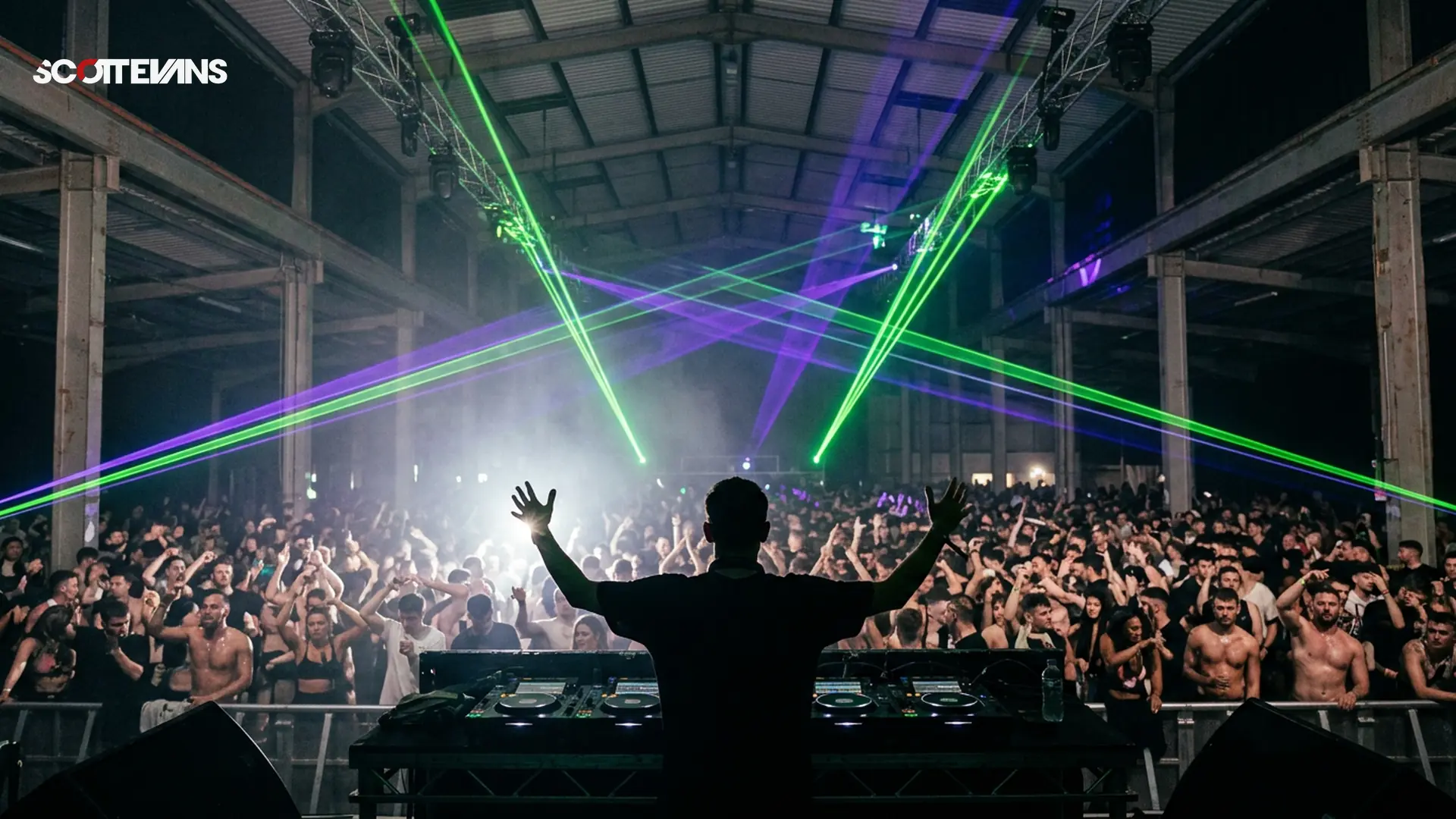
The End of an Era at the Royal Highland Centre
For nearly a decade, Terminal V has been a cornerstone of the Scottish electronic music calendar. The festival transformed the Royal Highland Centre into a techno haven, drawing international talent and massive crowds. However, the economic realities of large-scale event production in 2026 have forced a significant pivot.
In a recent statement, the festival team explained that operational requirements at the Edinburgh venue have increased dramatically. Specifically, the costs associated with policing and structural deployment have ballooned, making the current model unsustainable. This reflects a broader trend across the live music sector, where independent promoters are facing unprecedented financial pressure.
The April 2026 edition will serve as a grand finale for the Edinburgh location. Fans and artists alike are preparing for an emotional send-off, celebrating the legacy of a venue that helped shape the modern UK techno scene. Industry analysts, who previously ranked the event highly in global festival polls, note that this move highlights the fragile ecosystem of independent music events.
Why Rising Operational Costs Are Reshaping the Festival Circuit
The departure of Terminal V from its long-time home is not an isolated incident. Across the globe, electronic music festivals are grappling with inflation, increased security mandates, and rising infrastructure costs. When local authorities increase policing requirements, the financial burden falls squarely on the promoters.
The Scott Evans DJ Takeaway
To survive in this climate, venues and promoters must optimize every aspect of their operations. Administrative bloat and inefficient booking processes can quickly drain a shrinking budget. This is where the scottevansdj.com Venue & Promoter tier becomes an essential asset.
For just €99/yr, the Venue & Promoter tier provides a comprehensive toolkit to streamline artist advancing, manage technical riders, and organize booking schedules. By centralizing these operations, independent promoters can drastically reduce administrative overhead and focus their budgets on what truly matters: the sound, the staging, and the artist lineup.
The Technical Shift: Moving from Warehouse to Greenfield
When a festival like Terminal V announces a move to a new site in 2027, the implications go far beyond ticket sales. The transition from an indoor or semi-indoor expo center to a potential greenfield or outdoor site completely changes the technical requirements of the event.
At the Royal Highland Centre, audio engineers had to combat the natural reverberation of massive metal sheds. They utilized highly directional line arrays and specific acoustic treatments to deliver the punchy, dry sub-bass that techno demands. A new, potentially open-air site in 2027 will require an entirely different approach to sound reinforcement.
Without walls to contain the sound, engineers will need to deploy massive cardioid subwoofer arrays to push low frequencies toward the audience while preventing noise bleed into surrounding areas. For the performing DJs, this means the booth monitoring setup will also change drastically. Outdoor stages often suffer from wind interference and lack the natural acoustic feedback of an indoor space, making high-quality in-ear monitors (IEMs) or heavily reinforced booth monitors critical for tight mixing.
How Artists Must Adapt to Venue Changes
For working DJs, the relocation of major festivals requires a strategic adjustment. When a legacy event changes locations, the booking dynamics often shift. New stages are built, different stage hosts are brought in, and the curation strategy can pivot to match the new environment.
Artists need to ensure they remain highly visible and professionally presented to talent buyers during these transition periods. Relying on outdated press kits or scattered social media links is a fast track to being overlooked.
This is exactly why we built the scottevansdj.com Artist Roster. For €49/yr, DJs can maintain a premium, centralized profile that houses their technical riders, high-resolution press shots, and latest mix portfolios. When promoters are scrambling to book a new site for 2027, having a streamlined, professional presence on the Artist Roster ensures you stand out as a reliable, tour-ready professional.
Adapting Your DJ Set for Different Festival Environments
As the festival landscape evolves, DJs must become adaptable to different acoustic environments. Playing a cavernous warehouse requires a different track selection and mixing style compared to an open-air greenfield stage.
| Environmental Factor | Warehouse / Expo Center (e.g., Old Terminal V) | Greenfield / Outdoor Site (e.g., Future 2027 Site) |
|---|---|---|
| Acoustic Reverb | High natural decay. Fast, busy tracks can sound muddy. | Minimal natural decay. Sound dissipates quickly into the open air. |
| Mixing Strategy | Longer, smoother blends. Allow sub-bass to breathe between kicks. | Faster, punchier cuts work well. Percussion remains crisp and distinct. |
| Booth Monitoring | Prone to heavy echo from the back wall. Trust your headphones. | Wind interference can push sound away. Rely on powerful wedge monitors. |
| Track Selection | Deep, rolling sub-bass and hypnotic, sparse arrangements shine here. | High-energy, percussive tracks and sharp synth leads cut through the open air. |
Understanding these technical nuances separates amateur DJs from seasoned touring professionals. If you know you are playing a highly reverberant indoor stage, you might lean heavily on our Key Finder tool to ensure your harmonic mixing is flawless, as clashing frequencies sound exponentially worse in a booming hall. Conversely, outdoor stages allow for more aggressive, percussive mixing where tight beatmatching is the absolute priority.
The Future of Scottish Electronic Music
Despite the bittersweet departure from the Royal Highland Centre, the future remains bright for Scottish electronic music. The Terminal V team has promised that the 2027 relocation will allow for "even more ambitious electronic music experiences."
This ambition will likely translate into larger stage designs, immersive visual production, and potentially extended operating hours if the new site is located away from dense residential zones. For the local economy, a new festival site brings fresh opportunities for local vendors, sound and lighting hire companies, and regional DJs looking to secure opening slots.
The key to thriving in this shifting landscape is preparation. Venues must streamline their operations, and artists must professionalize their outreach. By leveraging the tools available on the scottevansdj.com platform, both sides of the industry can navigate these changes with confidence and secure their place in the future of live electronic music.
Frequently Asked Questions
Terminal V is leaving its Edinburgh location at the Royal Highland Centre due to significantly rising operational costs. The organizers specifically highlighted the increasing financial burden of policing and structural deployment required to run the event in the city.
Key Takeaways
- Core takeaway: Terminal festival host final works best with a repeatable prep-to-performance workflow.
- Prioritize one stable process before adding extra tools or plugins.
- Track outcomes after each set and keep only steps that improve reliability and results.
Step-by-Step Implementation
- Define the outcome you want from terminal festival host final before touching settings.
- Build a repeatable prep checklist and keep it in your set notes.
- Test the workflow in a low-risk set and log friction points.
- Refine one variable at a time, then standardize your final process.
- Review outcomes weekly and update your checklist.
Comparison Snapshot
| Workflow Option | Best For | Primary Benefit | Trade-Off |
|---|---|---|---|
| Baseline setup | New DJs | Fast start | Lower control |
| Structured workflow | Growing DJs | Consistent outcomes | Needs process discipline |
| Advanced optimization | Touring DJs | Maximum control | Higher setup complexity |
Intent Cluster Follow-up Questions
How does terminal festival host final change a live DJ workflow?
It reduces decision friction during prep and performance by moving critical decisions earlier in the process.
Which setup mistakes block results with terminal festival host final?
Most failures come from skipping calibration, inconsistent libraries, and unclear handoff points between tools.
How do you measure whether terminal festival host final is actually working?
Track booking quality, prep time, and set reliability over at least four event cycles.
Original Insight
A repeatable pattern across DJ operations is that performance gains usually come from reducing decision points, not adding more plugins or gear. Teams that standardize one clear workflow typically improve consistency faster than teams that keep switching tools.