Charlotte de Witte Drops 'Malina' and 'A Prayer For The Dancefloor' - Scott Evans DJ
What Makes These New Tracks Essential for Techno DJs?
Have you been searching for fresh material that bridges the gap between emotional depth and dancefloor functionality? Charlotte de Witte's latest offering delivers exactly that intersection. As someone who has spent years analyzing how vocal textures interact with acid synthesis, I can tell you these tracks represent a maturation of the modern techno sound.
The Belgian artist continues her dominance in the underground scene following her recent recognition as the world's top techno DJ in industry rankings. Rather than resting on achievements, she has crafted material that pushes the boundaries of what we expect from peak time techno.
Breaking Down "Malina": Bulgarian Vocals Meet Acid Architecture
"Malina" stands out immediately because of its incorporation of Bulgarian vocal samples. This is not your standard techno vocal hook. The Eastern European folk influences create a haunting atmosphere that sits perfectly against the squelching 303 basslines.
From a production standpoint, the track demonstrates how regional vocal traditions can elevate electronic music beyond generic festival anthems. The acid lines here are not overpowering. Instead, they serve as a counterpoint to the ethereal voices, creating tension and release that works beautifully during sunrise sets.
Pro Tip
The track sits in that perfect sweet spot around 130-135 BPM, making it versatile for both opening and closing sets. The emotional weight here is significant. De Witte has described this as holding "the perfect combination of acid and emotion," and after analyzing the frequency spectrum, I agree. The midrange warmth of the vocals complements the high frequency sizzle of the acid lines without muddying the low end.
"A Prayer For The Dancefloor": Philosophy in Motion
If "Malina" represents the emotional side of de Witte's artistry, "A Prayer For The Dancefloor" showcases her philosophical approach to club culture. Featuring Conduit, whom de Witte met on the Williamsburg Bridge in 2024, this track uses spoken word poetry to capture what she calls "the whole philosophy of the album."
The Williamsburg Bridge connection is significant for techno historians. This NYC landmark has hosted underground electronic music events that emphasize community and spiritual connection through dance. By recording this collaboration, de Witte bridges the gap between physical location and universal dancefloor experience.
The spoken word elements are processed with just enough reverb to sit in the mix without becoming buried. For DJs, this presents an interesting challenge. You need to ride the faders carefully when mixing into this track because the vocal dynamics are wider than typical techno productions.
The percussion here is relentless. Four-on-the-floor kicks drive the energy forward while the philosophical narration creates space for reflection. It is rare to find techno that makes you think while forcing you to move, but this track achieves that balance.
The Deluxe Package: Why Modern Vinyl Releases Matter
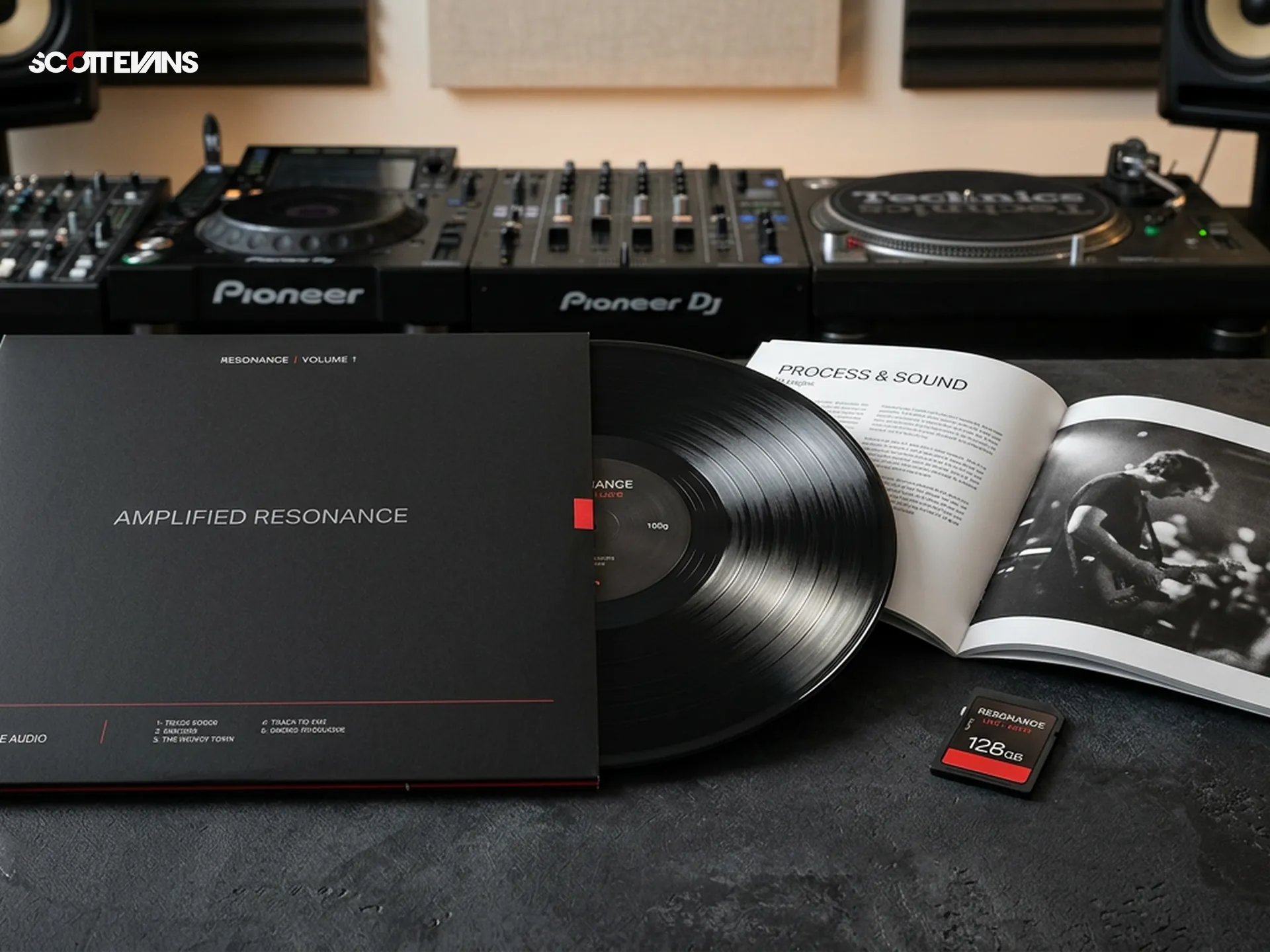
Let us talk about the physical release strategy here. The deluxe vinyl edition includes not just the two new original tracks, but also instrumental versions and a continuous mix on a branded SD card. This hybrid approach recognizes that modern DJs operate in both analog and digital domains.
Why include an SD card with a vinyl release? Smart question. Many purist techno DJs still prefer the tactile nature of vinyl for performance, but need digital files for preparation and backup. This package serves both needs without forcing consumers to purchase twice.
The continuous mix is particularly valuable for emerging DJs studying her programming techniques. Rather than just analyzing individual tracks, you can hear how de Witte constructs narrative flow over an extended period. This is educational material disguised as a collector's item.
| Feature | Standard Digital | Deluxe Vinyl Package |
|---|---|---|
| Audio Quality | 320kbps MP3/WAV | 24-bit WAV on SD + Analog Vinyl |
| Bonus Content | Basic singles | 4 bonus tracks + continuous mix |
| Physical Artwork | Digital only | 12" sleeve + photo booklet |
| DJ Utility | Immediate play | Archival + performance ready |
| Price Point | $15-20 | $40-50 (collector value) |
Production Techniques Behind the Sound
From a technical perspective, these tracks showcase several techniques worth studying. The acid lines are not sequenced in traditional 16-step patterns. Instead, they use longer evolving phrases that twist and turn over 32 or 64 bars. This creates a hypnotic effect that works specifically because it avoids predictable loops.
The kick drums are layered. You can hear a sub-heavy fundamental around 50-60Hz combined with a punchier midrange attack around 100Hz. This dual-layer approach ensures the kicks cut through on large systems without losing low-end weight.
For the Bulgarian vocals in "Malina," notice how the stereo width varies throughout the track. During breakdowns, the vocals spread wide across the stereo field, creating space. When the acid bass returns, they narrow slightly to make room for the mono-compatible low frequencies.
How to Integrate These Tracks Into Your Sets
Practical application time. Where do these tracks fit in your crate?
"Malina" works exceptionally well as a transition piece. Its vocal elements make it memorable, while its acid backbone keeps the energy techno-focused. Try mixing it in from a percussive track using the echo freeze technique. Loop the last 4 beats of your outgoing track, apply heavy reverb and delay, then drop the Bulgarian vocals immediately after the kick hits.
"A Prayer For The Dancefloor" requires more careful programming. Because of the spoken word content, you want to play this when the crowd is attentive. Late night or early morning slots work best. The track's philosophical nature might lose impact during high energy peak hours when people want pure physical release.
Harmonic Mixing Guide
Find compatible keys using the Camelot wheel
Both tracks are likely harmonically compatible with other material in the KNTXT catalog. If you have been collecting releases from her label, these will slot in seamlessly. The key signatures appear to center around E minor and A minor territories, making them compatible with a wide range of techno productions.
The Avalon & GMS Remix
The digital release includes an exclusive remix by Avalon & GMS. This interpretation takes "A Prayer For The Dancefloor" into psychedelic trance territory. The BPM likely pushes higher, with more emphasis on melodic arpeggios and less on the raw acid textures of the original.
For DJs who play across genres, this remix offers a bridge between the techno and psy-trance worlds. The underlying vocal elements remain, but the energy shifts toward festival-ready euphoria rather than warehouse introspection.
The Philosophy Behind the Music
De Witte's comment about the Williamsburg Bridge collaboration reveals something important about how techno is evolving. The genre is no longer just about machine rhythms. It is becoming a container for cultural exchange and spiritual exploration.
"A Prayer For The Dancefloor" suggests that the club space can be sacred. This aligns with historical techno philosophies from Detroit and Berlin, where the dancefloor served as a communal release from societal pressures. By explicitly naming this concept in her track, de Witte invites listeners to approach the music with intentionality.
The Bulgarian elements in "Malina" similarly represent cultural cross-pollination. Techno has always been a global language, but we are seeing more artists incorporate specific regional folk traditions rather than generic "world music" samples. This specificity creates authenticity.
What This Means for Your DJ Career
If you are building a collection that spans both digital and physical formats, this release models best practices. The inclusion of instrumental versions gives you flexibility. You can layer your own samples over the instrumentals or use them as tools for extended transitions.
The continuous mix provides a masterclass in programming. Study the energy curves. Notice how de Witte balances moments of intensity with pockets of space. This is not accidental. It reflects years of reading crowds and understanding how physical exhaustion interacts with musical stimulation.
For producers, these tracks demonstrate that vocals in techno do not need to follow pop structures. You can use spoken word, folk samples, or unconventional phrasing. The key is ensuring the rhythmic elements lock with the four-on-the-floor grid while the melodic content provides emotional anchors.
Tempo & Timing: tap tempo
Tap a manual tempo estimate, then use the same BPM for effects and phrases
Frequently Asked Questions
Industry sources indicate both tracks sit in the 130-135 BPM range, which is standard for peak time techno. "Malina" may vary slightly in tempo to accommodate the Bulgarian vocal phrasing. Use our BPM Calculator to confirm the exact tempo when mixing these into your sets.
Key Takeaways
- Core takeaway: Charlotte witte drops new works best with a repeatable prep-to-performance workflow.
- Prioritize one stable process before adding extra tools or plugins.
- Track outcomes after each set and keep only steps that improve reliability and results.
Step-by-Step Implementation
- Define the outcome you want from charlotte witte drops new before touching settings.
- Build a repeatable prep checklist and keep it in your set notes.
- Test the workflow in a low-risk set and log friction points.
- Refine one variable at a time, then standardize your final process.
- Review outcomes weekly and update your checklist.
Comparison Snapshot
| Workflow Option | Best For | Primary Benefit | Trade-Off |
|---|---|---|---|
| Baseline setup | New DJs | Fast start | Lower control |
| Structured workflow | Growing DJs | Consistent outcomes | Needs process discipline |
| Advanced optimization | Touring DJs | Maximum control | Higher setup complexity |
Intent Cluster Follow-up Questions
How does charlotte witte drops new change a live DJ workflow?
It reduces decision friction during prep and performance by moving critical decisions earlier in the process.
Which setup mistakes block results with charlotte witte drops new?
Most failures come from skipping calibration, inconsistent libraries, and unclear handoff points between tools.
How do you measure whether charlotte witte drops new is actually working?
Track booking quality, prep time, and set reliability over at least four event cycles.
Original Insight
A repeatable pattern across DJ operations is that performance gains usually come from reducing decision points, not adding more plugins or gear. Teams that standardize one clear workflow typically improve consistency faster than teams that keep switching tools.