The Cultural Impact of Wake Me Up
When Wake Me Up exploded onto the global stage in 2013, it fundamentally changed how electronic dance music intersected with mainstream pop and soul. The collaboration between Swedish producer Avicii and American singer/songwriter Aloe Blacc created a template that countless producers have attempted to replicate since. For working DJs, the track became an essential weapon in their arsenal, bridging the gap between EDM festivals and radio-friendly venues.
But what exactly made this partnership so special from a technical perspective? The track sits at a comfortable 124 BPM, making it incredibly versatile for mixing. If you are planning to incorporate Wake Me Up into your next set, you can use our
Tempo & Timing: tap tempo
Tap a manual tempo estimate, then use the same BPM for effects and phrases
tool to find compatible tracks that will blend seamlessly.
The musical key of B minor also provides interesting harmonic possibilities. Using our
tool, you can identify tracks in complementary keys like D major or F# minor to create smooth, emotionally resonant transitions that keep the dancefloor engaged.
What Do We Know About the Unreleased Material?
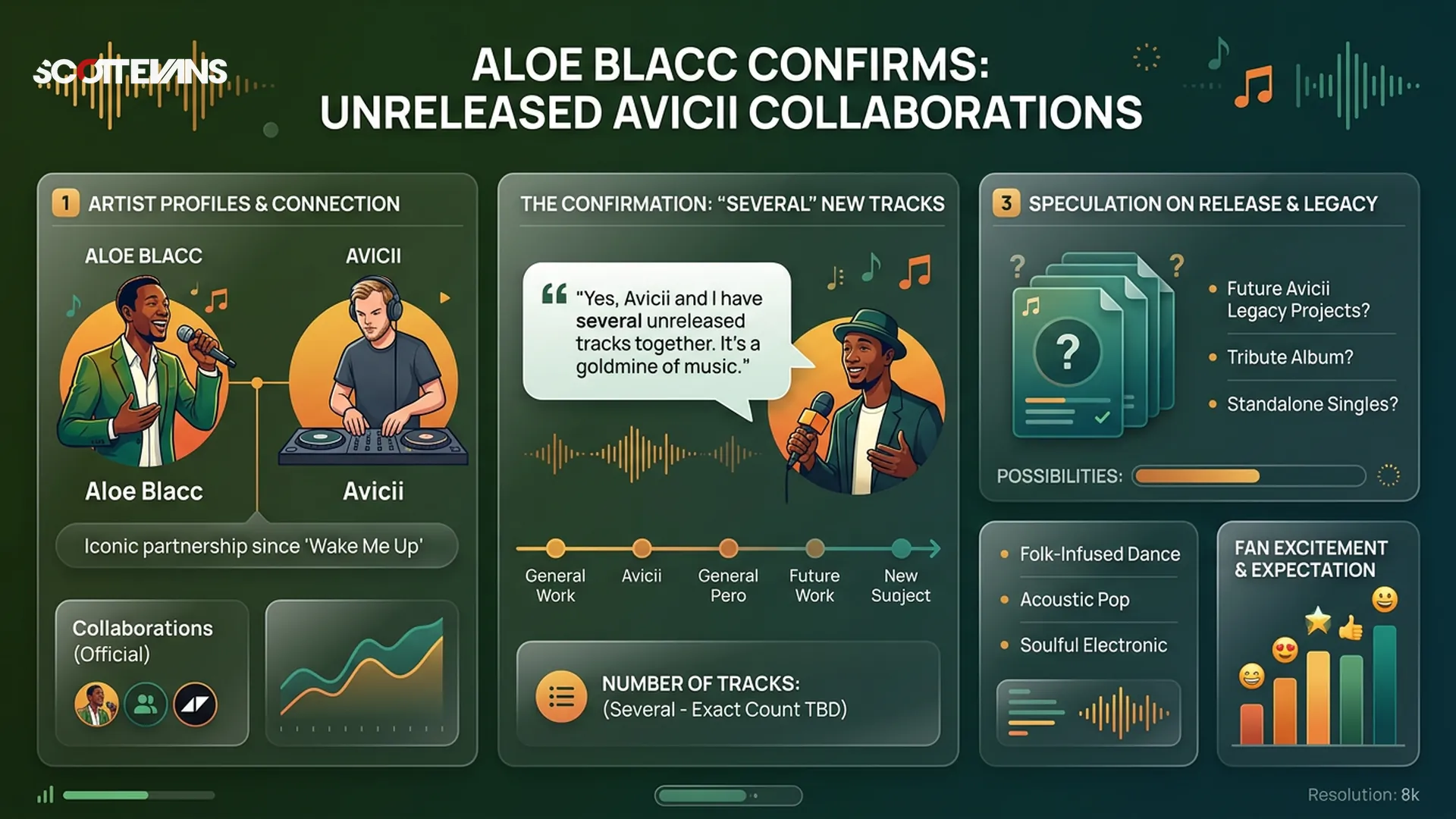
Recent interviews with Aloe Blacc have revealed fascinating details about the creative partnership that produced some of the most memorable progressive house tracks of the 2010s. According to industry sources, Blacc has confirmed that "several" additional collaborations exist beyond the officially released Wake Me Up and SOS.
The status of these tracks varies significantly. Some recordings are reportedly complete, fully mixed, and ready for public consumption. Others remain in various stages of production, lacking final vocal takes, instrumental arrangements, or the crucial mixing and mastering phase that gives commercial releases their polished sheen.
This presents a unique ethical dilemma for the music industry. As Blacc himself noted, finishing these tracks without Avicii's direct input raises questions about artistic integrity. How do you complete someone else's creative vision when they cannot provide their final blessing? This challenge extends beyond the studio and into the DJ booth, where selectors must consider how to honor an artist's legacy while keeping their music accessible to new generations.
Pro Tip
The Technical Legacy: Analyzing the Avicii Sound
To understand why these unreleased tracks generate such excitement among DJs and producers, we need to examine the sonic architecture that defined the Avicii and Blacc partnership. Wake Me Up combined acoustic guitar elements, typically associated with folk and country music, with euphoric synth leads and driving four-on-the-floor beats. This genre fusion created a sound that worked equally well in massive festival main stages and intimate club settings.
The production techniques employed in these collaborations offer valuable lessons for modern producers using platforms like our DJ AI Suite. Avicii was known for his meticulous attention to melodic structure, often crafting hooks that remained simple enough to sing along to while maintaining enough complexity to reward repeated listening.
For DJs looking to recreate the magic of these moments in their own edits, studying the arrangement structure is crucial. Both Wake Me Up and SOS follow a traditional verse-chorus format but incorporate extended instrumental breakdowns designed specifically for mixing. These sections provide natural cue points for blending, allowing you to loop phrases or apply effects without disrupting the vocal narrative.
Navigating the Ethics of Posthumous Releases
The question of whether to release unfinished work transcends simple commercial interests. For DJs, this conversation has practical implications. When you play a posthumous track, are you celebrating the artist's legacy or exploiting their memory? The answer often depends on context and presentation.
Aloe Blacc's hesitation about the release of these tracks highlights the complex relationship between art and commerce. Without Avicii's ability to approve final mixes or veto creative decisions, any release inherently involves guesswork about his intentions. This uncertainty affects how DJs should approach the material if it eventually becomes available.
Industry reports indicate that the Bergling family maintains tight control over Tim's musical estate, which suggests that any future releases will likely receive careful consideration rather than rushed commercialization. For DJs, this means that if these tracks do emerge, they will probably represent the closest possible approximation of Avicii's artistic vision, curated by those who knew him best.
Harmonic Mixing Guide
Find compatible keys using the Camelot wheel
How to Honor the Collaboration in Your Sets
While we wait to see if the unreleased vault opens, DJs can pay tribute to this iconic partnership by mastering the art of mixing the existing catalog. Both Wake Me Up and SOS respond well to creative reinterpretation, provided you maintain respect for the original compositions.
When programming these tracks, consider their emotional weight. Wake Me Up carries associations of both celebration and mourning, particularly following Avicii's passing in 2018. The track works beautifully as an opening anthem or a peak-time singalong, but consider your audience's relationship with the material. In some contexts, dropping this track creates a moment of collective joy; in others, it might evoke reflection and remembrance.
Tempo-wise, the 124 BPM sweet spot allows for flexible mixing. You can pitch it down slightly for a more relaxed, groovy feel, or maintain the original tempo for maximum energy. The key structure also permits harmonic mixing into tracks like Levels or other progressive house anthems from the same era.
The Future of the Archive
What happens next depends on numerous factors, including the wishes of Avicii's family, the commercial viability of the recordings, and the state of the music industry itself. Posthumous releases have become increasingly common in the streaming era, with artists like Prince, Michael Jackson, and Juice WRLD seeing their archives mined for new material years after their deaths.
However, the electronic music community holds Avicii's legacy to a different standard. His struggles with the music industry and mental health are well documented, creating a sensitivity around any commercial use of his name or work. Aloe Blacc's respectful approach to the unreleased material, emphasizing the need for family approval, suggests that any future releases will prioritize artistic integrity over profit.
For DJs, this potential treasure trove represents both an opportunity and a responsibility. If these tracks see release, they will likely dominate festival stages and club systems worldwide. Preparing now by studying the existing collaborations will position you to incorporate new material in ways that feel authentic and respectful.
Preparing Your Library for Potential Releases
Smart DJs stay ahead of the curve by organizing their libraries and understanding the musical DNA of artists they frequently play. If the unreleased Avicii and Blacc collaborations follow the sonic patterns of their previous work, they will likely feature acoustic elements blended with electronic production, soulful vocals, and that signature 124-128 BPM range that dominated festival stages during EDM's golden era.
Consider creating a dedicated crate or playlist in your DJ software for posthumous Avicii material. This allows you to quickly access these tracks and any new releases without scrambling through your library during a gig. You might also want to prepare acapella versions of Wake Me Up and SOS using our Set-to-Content tool, giving you the flexibility to create mashups and edits that pay tribute while showcasing your unique style.
Frequently Asked Questions
Aloe Blacc has confirmed there are "several" unreleased tracks, though the exact number remains unspecified. The material ranges from fully completed songs to unfinished demos and works in progress.
Key Takeaways
- Core takeaway: Aloe blacc confirms made works best with a repeatable prep-to-performance workflow.
- Prioritize one stable process before adding extra tools or plugins.
- Track outcomes after each set and keep only steps that improve reliability and results.