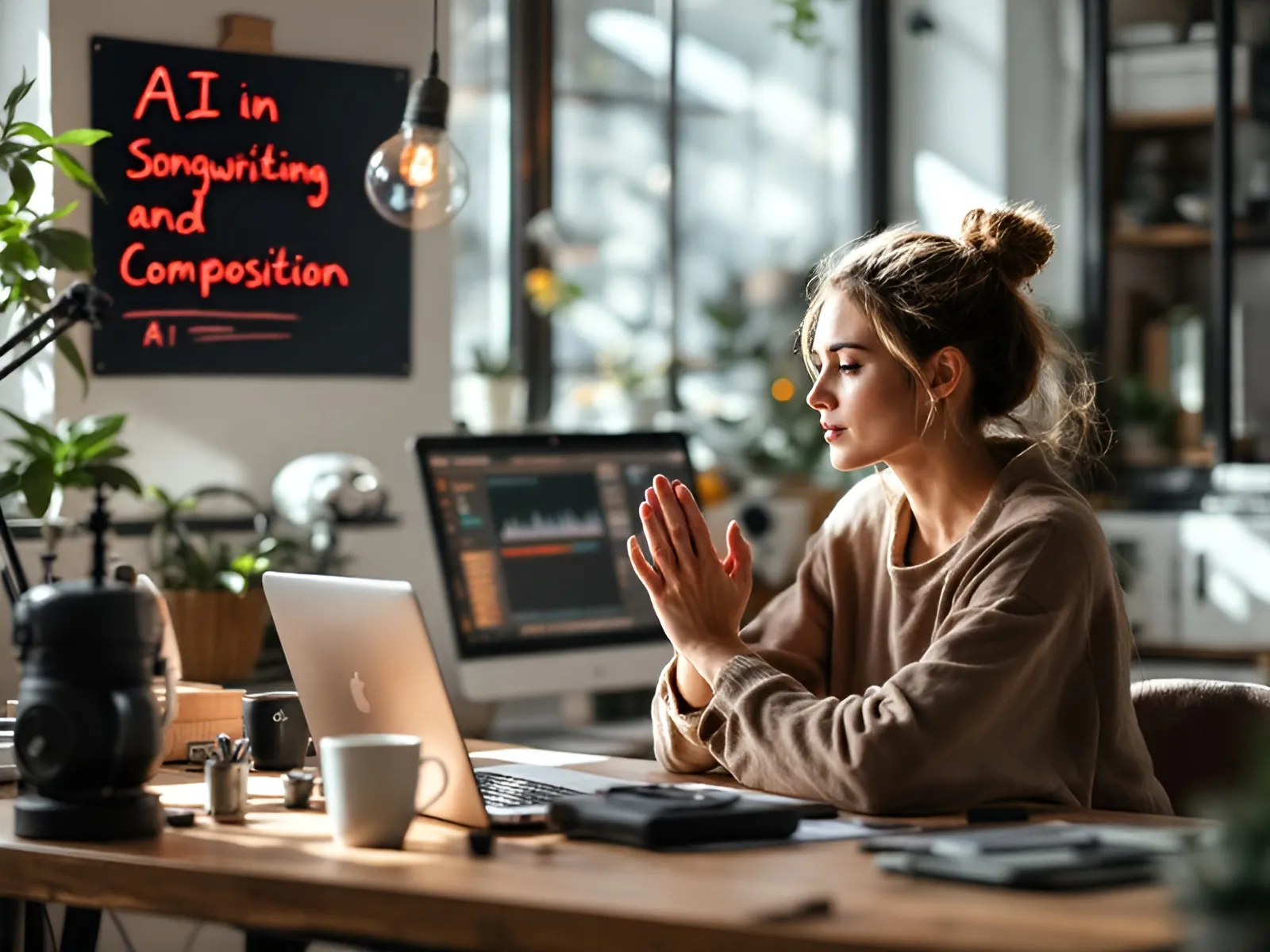
Step 1: Understanding the AI Music Landscape in 2026
Artificial Intelligence in songwriting relies on complex algorithms and machine learning to assist in music creation. These systems analyze massive datasets of existing music to understand patterns in rhythm, melody, and harmony. For a working DJ or producer, this means you can feed an algorithm specific parameters and receive structurally sound musical ideas in seconds.
The core advantage of this technology is data analysis. AI systems process the intricacies of different genres much faster than a human can. They can instantly generate a deep house bassline or a pop chord progression based on your exact specifications. However, industry analysts frequently debate the emotional depth of these tracks.
While the technology excels at technical structure, it often requires a human touch to add swing, velocity variations, and emotional resonance. Understanding the tempo of your generated loops is the first step to integrating them into your digital audio workstation.
Tempo & Timing: tap tempo
Tap a manual tempo estimate, then use the same BPM for effects and phrases
Step 2: Exploring the Best AI Songwriting Tools
The market for AI songwriting tools has exploded, transforming the creative landscape for modern musicians. Choosing the right platform depends entirely on your export workflows and hardware compatibility. Here are three leading concepts that have gained serious traction.
First, platforms like Amper Music focus on customizable tracks and immediate audio generation. These are highly user-friendly and allow you to set a mood, style, and length. You can export the audio instantly, which is perfect for content creators needing quick background music.
Second, AIVA (Artificial Intelligence Virtual Artist) takes a more compositional approach. It specializes in symphonic and structured compositions. The major benefit for producers here is the ability to export MIDI data. Routing AI-generated MIDI through your own high-end VST synthesizers gives you complete control over the final sound.
Third, interactive engines like Flow Machines encourage a hybrid workflow. You can input your own melodies, and the AI will suggest complementary chord progressions. This interactive creation process provides real-time feedback, making it a fantastic educational tool for producers learning music theory.
| AI Tool | Best For | Output Format | Key Feature |
|---|---|---|---|
| Amper Music | Quick audio generation | WAV / MP3 | Mood-based track creation |
| AIVA | Complex compositions | MIDI / Audio | Deep learning from classical masters |
| Flow Machines | Collaborative writing | MIDI | Real-time chord suggestions |
Step 3: Generating Lyrics, Melodies, and Chord Progressions
Using AI for songwriting can completely change how you approach a blank project file. When generating original lyrics, the prompt is everything. Input specific keywords, emotional themes, and your desired song structure into your chosen text-based AI. By defining the verse, chorus, and bridge layout, the AI can provide lyrics that fit standard commercial formatting.
For melodies and chord progressions, AI acts as a digital session musician. You can generate a basic melody and then ask the software to harmonize it. This is incredibly useful when you are stuck in a loop and need a fresh perspective.
Once you have your AI-generated melody, you need to ensure it matches the tonal center of your existing project. Dropping an out-of-key vocal or synth lead into your mix will cause immediate harmonic clashing. Always verify the musical key of your generated stems before routing them through your mixing bus.
Step 4: Integrating AI into Your Production Workflow
Incorporating AI into your daily studio routine can drastically streamline your composition process. The goal is to build a hybrid workflow where technology handles the heavy lifting of music theory, leaving you free to focus on sound design and arrangement.
Try dedicating specific studio sessions purely to prompt-based creation. Generate dozens of MIDI clips using different AI tools, label them by key and tempo, and save them in a dedicated folder. When you are working on a new track and need inspiration, you can pull from this custom library.
Another highly practical exercise is melody variation. Write a simple four-bar melody yourself, feed it into an AI engine, and ask for five different variations. This technique often yields unexpected syncopations or passing chords that you might not have written naturally. Listen to how subtle changes in MIDI velocity and timing can humanize an AI sequence.
Harmonic Mixing Guide
Find compatible keys using the Camelot wheel
The Scott Evans DJ Takeaway
Step 5: Navigating the Challenges of AI Music Creation
Working with AI in music composition is not without its hurdles. The most immediate risk is creative dependence. If you rely too heavily on algorithms to write your hooks, you may fail to cultivate your own unique artistic voice. It is crucial to use these tools for inspiration rather than letting them dictate your entire sound.
Emotional connection is another significant challenge. AI-generated music is mathematically perfect, which often makes it sound sterile. Human music is defined by its imperfections. A slightly rushed hi-hat or a vocal that pushes the pitch adds soul to a track. You must manually program these human elements back into your AI-assisted compositions.
Finally, ethical and legal issues remain a massive gray area in 2026. The music industry is constantly updating regulations regarding copyright ownership of AI-generated music. If you are using AI to generate substantial portions of your commercial releases, you must stay informed on current copyright laws to avoid future publishing disputes.
The Future Role of Artists in an AI-Driven Landscape
The integration of AI in songwriting offers limitless possibilities for producers willing to adapt. Embracing this technology as a supportive ally will expand your musical horizons and help you shatter creative blocks.
As the music landscape continues to evolve, the most successful artists will be those who master the collaboration between human emotion and machine efficiency. You can explore our guide on mixing techniques to see how these generated elements fit into a final master. The potential for AI composition is massive, inviting you to explore uncharted sonic territories while maintaining your essential human touch.
Frequently Asked Questions
AI in songwriting refers to using artificial intelligence algorithms to assist in the creation of music. These systems analyze vast datasets of existing songs to generate new lyrics, chord progressions, and melodies based on specific user prompts.
Key Takeaways
- Core takeaway: Use songwriting composition steps works best with a repeatable prep-to-performance workflow.
- Prioritize one stable process before adding extra tools or plugins.
- Track outcomes after each set and keep only steps that improve reliability and results.