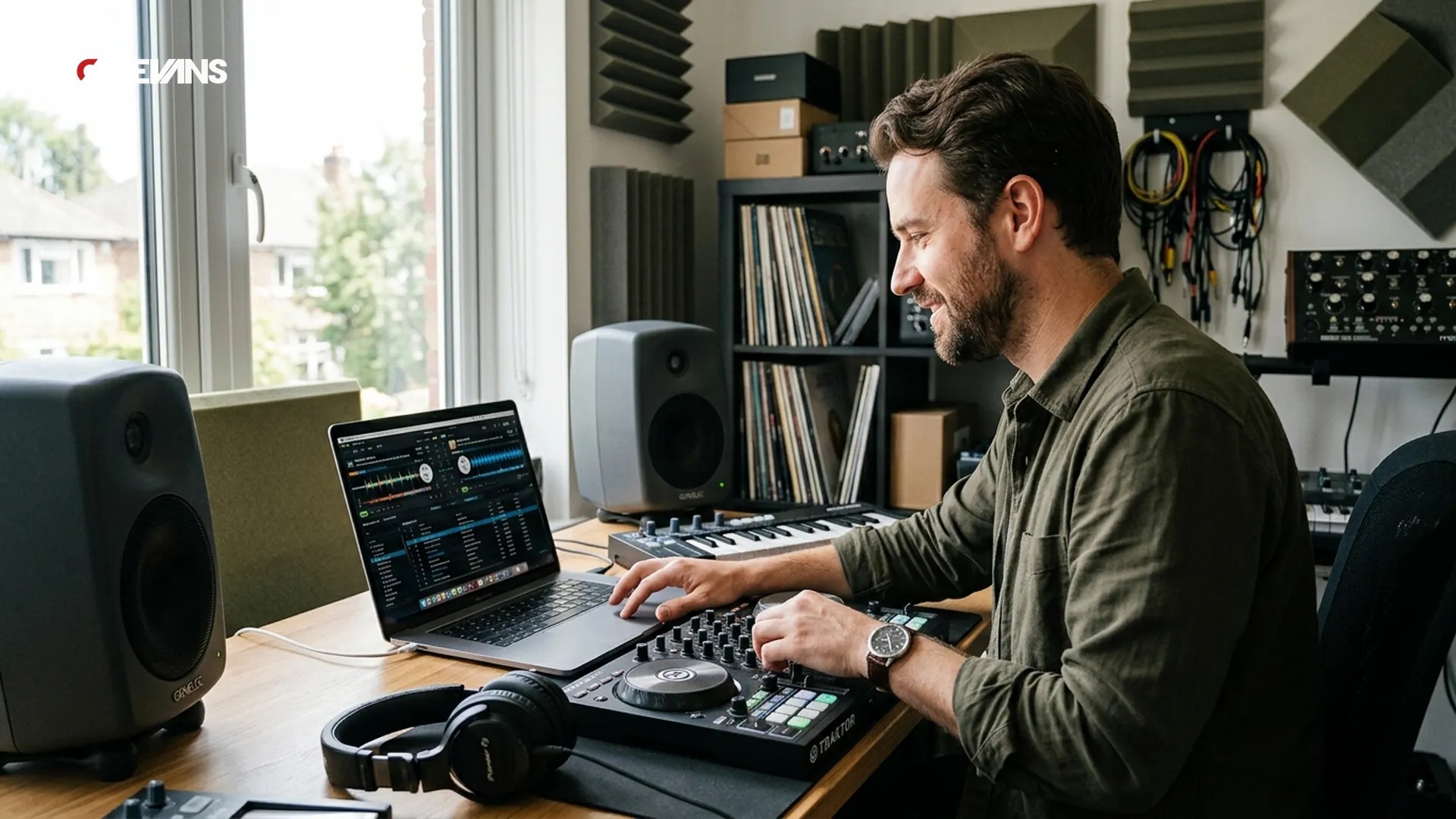
What Is Pulse DJ AI?
Pulse DJ AI represents the intersection of machine learning algorithms and digital audio workstations specifically built for live performance. Unlike traditional DJ software that simply plays back pre-recorded tracks, these AI systems interpret musical structure in real time.
The technology typically operates as either a standalone application or a plugin for existing DJ platforms. It processes audio through neural networks trained on thousands of hours of music across various genres. This training enables the AI to identify intros, outros, breakdowns, and energy levels without human tagging.
For mobile DJs and club residents alike, the appeal lies in reduced preparation time. You can load unfamiliar tracks and trust the AI to suggest compatible mixing points. However, this does not eliminate the need for musical knowledge. The AI provides suggestions; you provide the artistic judgment.
How Does Pulse DJ AI Work?
Understanding the mechanics helps you use these tools effectively rather than relying on them as crutches.
Real-Time Audio Analysis
When you load a track into a Pulse DJ AI system, the software immediately begins deconstructing the audio. It identifies the tempo (BPM), musical key, and time signature. Advanced systems also perform stem separation, isolating drums, basslines, melodies, and vocals into separate channels.
Tempo & Timing: tap tempo
Tap a manual tempo estimate, then use the same BPM for effects and phrases
This analysis happens within seconds, allowing you to mix tracks you have never heard before. The AI creates a visual map of the song structure, highlighting where vocals drop out, where basslines begin, and optimal points for transitions.
Neural Mixing Algorithms
The "intelligence" comes from pattern recognition. The AI compares the outgoing track against the incoming track, calculating harmonic compatibility and rhythmic alignment. It can suggest whether to cut, fade, or use EQ mixing techniques based on the energy levels of both songs.
Pro Tip
Key Features and Capabilities
Modern AI DJ tools offer several distinct functions that change how you prepare and perform sets.
Automated Beat Matching
While traditional software has offered grid-based beat matching for years, AI systems handle tracks with live drumming, tempo drift, or irregular time signatures. The algorithm locks onto the rhythmic pulse even when the BPM fluctuates naturally.
Intelligent Track Selection
Some Pulse DJ AI implementations include recommendation engines. Based on the current track's genre, energy level, and key, the software suggests next songs from your library. This feature proves particularly valuable for open-format DJs playing diverse events where reading the crowd becomes challenging.
Stem-Based Mixing
Perhaps the most revolutionary feature involves real-time stem separation. You can isolate and transition specific elements between tracks. Imagine bringing in only the vocals from Track B while keeping the instrumental from Track A, creating mashups on the fly without pre-production.
Generative Fill Elements
Advanced systems can generate drum fills, risers, or ambient textures to bridge gaps between incompatible tracks. Rather than searching through samples, the AI creates transitional audio that matches the key and tempo of your current mix.
Setting Up Your Pulse DJ AI Workflow
Integrating artificial intelligence into your existing setup requires strategic planning to avoid technical failures during live performance.
Hardware Requirements
Most Pulse DJ AI software demands significant processing power. You will need a modern laptop with at least 16GB RAM and a dedicated graphics card for real-time stem separation to function without latency. External audio interfaces with low-latency drivers remain essential, as AI processing adds milliseconds of delay that can accumulate through your signal chain.
Software Integration
Current AI DJ tools function either as standalone applications or plugins within Serato DJ Pro, Rekordbox, or Traktor. Standalone apps offer deeper AI features but require routing audio through virtual cables. Plugin integration keeps you within familiar workflows but may limit AI functionality.
| Feature | Standalone AI App | Plugin Integration |
|---|---|---|
| Setup Complexity | High (requires audio routing) | Low (works within existing software) |
| Real-Time Stem Quality | Maximum processing power | Limited by host software resources |
| Library Management | Separate database | Uses existing crate structure |
| Stability Risk | Higher (more failure points) | Lower (native integration) |
| Creative Control | Full AI feature set | Restricted to plugin capabilities |
Harmonic Mixing Guide
Find compatible keys using the Camelot wheel
How We Evaluated These Tools
When assessing Pulse DJ AI systems and similar artificial intelligence DJ software, we focused on criteria that matter to working professionals in real-world scenarios.
Processing Latency: We measured the delay between control input and audio output, critical for scratching and precise cueing.
Stem Separation Quality: We tested how cleanly the AI isolates vocals and instruments across genres from acoustic jazz to distorted techno.
Hardware Compatibility: We verified functionality across mainstream DJ controllers and mixers from Pioneer, Denon, and Native Instruments.
Workflow Integration: We evaluated how seamlessly the AI features fit into standard DJ preparation routines and live performance habits.
Reliability Under Load: We monitored CPU usage during extended sets with stem separation active to identify overheating or buffer underrun risks.
Price-to-Utility Ratio: We considered subscription costs against tangible time savings and creative possibilities added to your performance.
Practical Applications for Different DJ Scenarios
The utility of Pulse DJ AI varies depending on your specific DJing context.
Wedding and Mobile DJs
For private events where clients submit spontaneous requests, AI key detection and beat matching allow you to incorporate unfamiliar songs without train-wrecking transitions. The technology bridges gaps between genres that traditionally clash, such as transitioning from classic soul to modern pop.
Club Residents
When playing extended sets, AI recommendation engines help prevent playlist fatigue. After four hours of selecting tracks, the fresh perspective of an algorithm suggesting deep cuts from your library can reinvigorate your programming.
Radio and Streaming DJs
Broadcasters benefit from AI-generated volume leveling and automatic microphone ducking. The system can lower music volume when you speak and restore it precisely when you finish, eliminating manual fader riding during voice breaks.
Production DJs
Artists creating live remixes or mashup performances use stem separation to deconstruct popular tracks and rebuild them in real time. This creates unique versions of familiar songs that distinguish your sets from DJs playing standard versions.
Limitations and Considerations
While Pulse DJ AI offers powerful capabilities, understanding its boundaries prevents embarrassing technical failures.
Audio Quality Trade-Offs
Real-time stem separation uses compressed algorithms to save processing power. The isolated vocals or drums may contain artifacts, bleed from other instruments, or reduced stereo width compared to studio-separated stems. For critical recordings or broadcast, these quality differences become noticeable.
Over-Reliance Risks
Relying entirely on AI suggestions can lead to generic, algorithmic sets that lack personal style. The technology excels at technical execution (beat matching, key alignment) but struggles with the emotional narrative of a set. You must still curate the journey.
Internet Dependency
Many AI models run partially in the cloud to save local processing power. If your venue has unreliable WiFi or you play outdoor events with cellular dead zones, features may degrade or fail entirely. Always download offline models when available.
The Future of AI in DJ Culture
Pulse DJ AI represents the beginning of a fundamental shift in how we interact with music technology. Future developments will likely include voice-controlled track selection, predictive loading based on crowd response sensors, and fully generative music that adapts to dance floor energy in real time.
However, the role of the DJ as a curator and vibe creator remains secure. AI handles technical execution, freeing you to focus on crowd interaction, song selection, and performance theatrics. The DJs who thrive will be those who treat AI as a creative partner rather than a replacement for skill.
Frequently Asked Questions
Pulse DJ AI refers to artificial intelligence software designed specifically for DJ applications. It uses machine learning to analyze music, separate audio stems, suggest compatible tracks, and automate technical mixing tasks. The technology functions as either a standalone application or integrated within existing DJ platforms like Serato or Rekordbox.
Authoritative Sources
- Serato DJ Pro — Official Site
- ITU-R BS.1770 international audio loudness standard
- Wikipedia: DJ performance technique